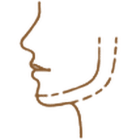
Chin Surgery (Genioplasty)
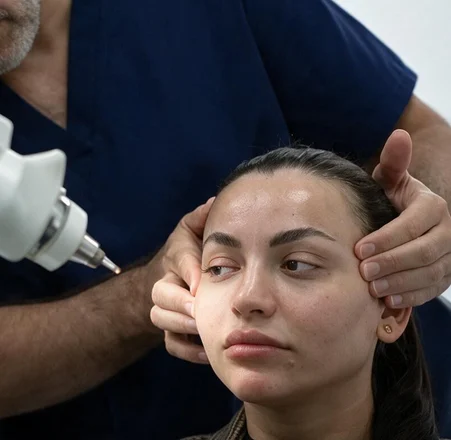
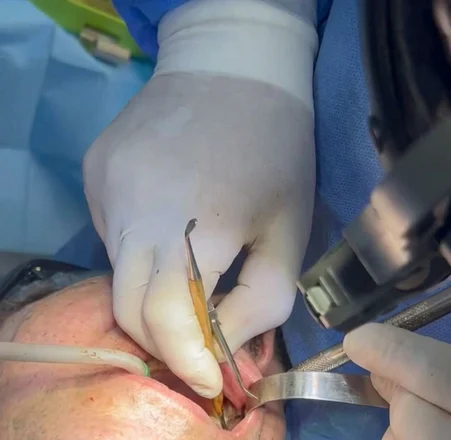
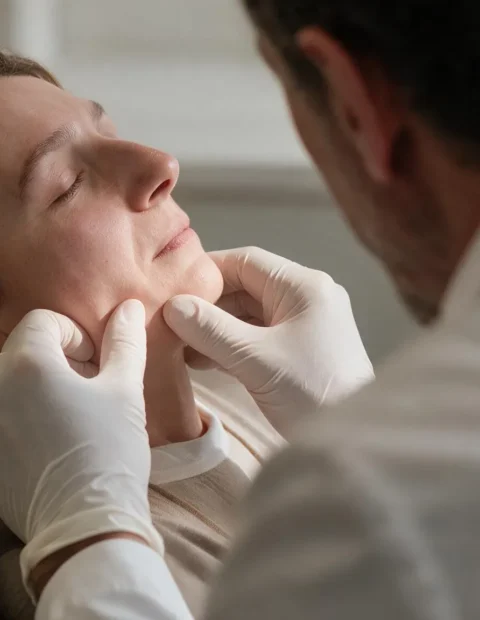
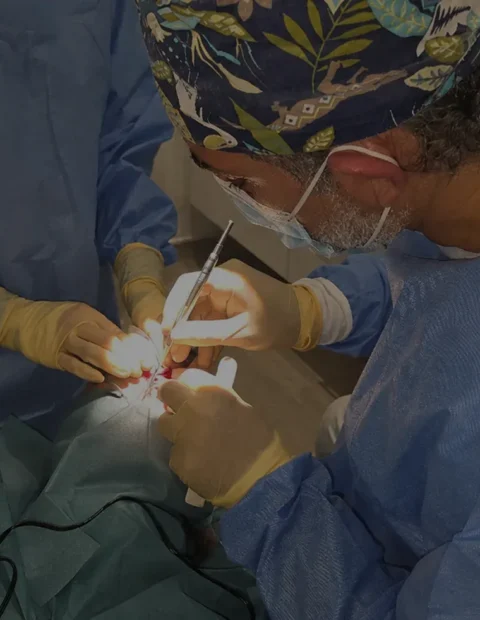
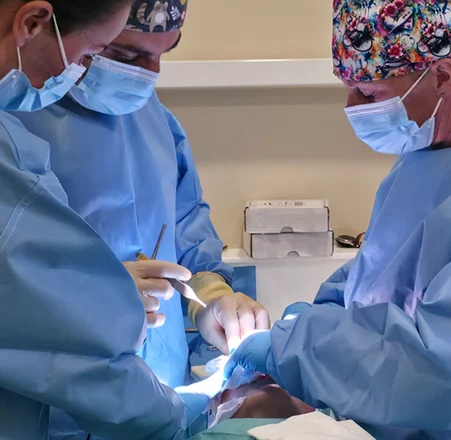
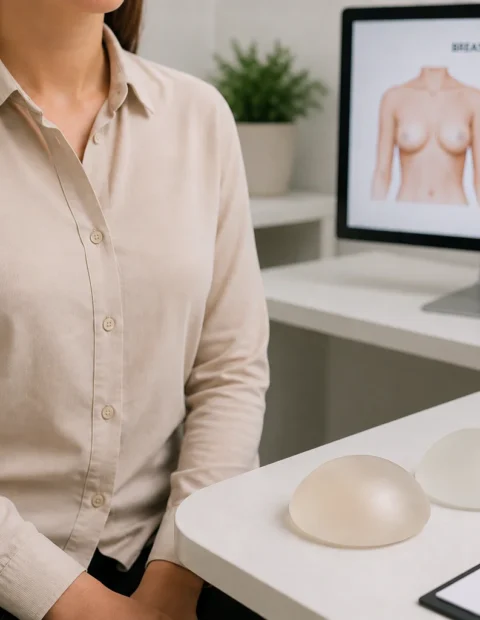
Genioplasty reshapes or repositions the chin to improve facial balance and projection. Depending on your goals, the chin can be moved forward or backwards, reshaped, or enhanced with an implant.
From bite realignment to complex facial reconstruction, each procedure is planned to achieve stable, lasting results with minimal discomfort.





Your options
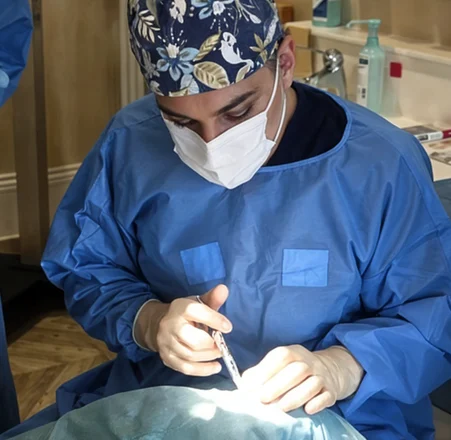
We provide carefully planned surgical care to help you feel more comfortable and confident.
Genioplasty reshapes or repositions the chin to improve facial balance and projection. Depending on your goals, the chin can be moved forward or backwards, reshaped, or enhanced with an implant.
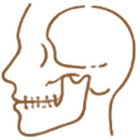
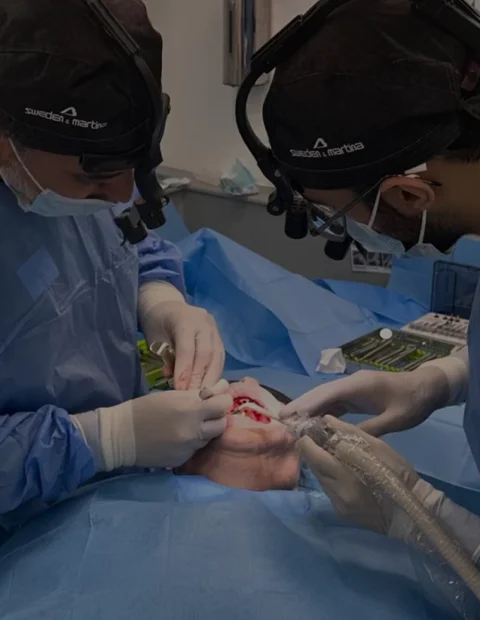
Orthognathic surgery corrects jaw alignment and facial imbalance using advanced digital planning. It can improve bite, speech, and chewing, while reducing strain on the teeth and joints and enhancing facial harmony.
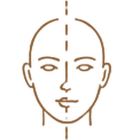
Facial asymmetry correction addresses imbalances in the underlying jaw and facial structure. Carefully planned surgery can improve jaw coordination, comfort, symmetry, and overall facial harmony.
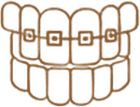
In most cases, patients require braces alongside jaw surgery to achieve the best outcome. We coordinate both stages under one plan, aligning the teeth and jaws in a structured and predictable way.

For severe obstructive sleep apnoea linked to jaw position, the upper and/or lower jaws can be moved forward to widen the airway. It’s planned with a respiratory physician or other specialities (sleep medicine, ENT, orthodontics). This improves breathing during sleep, reduces apnoea episodes, and improves daytime energy.
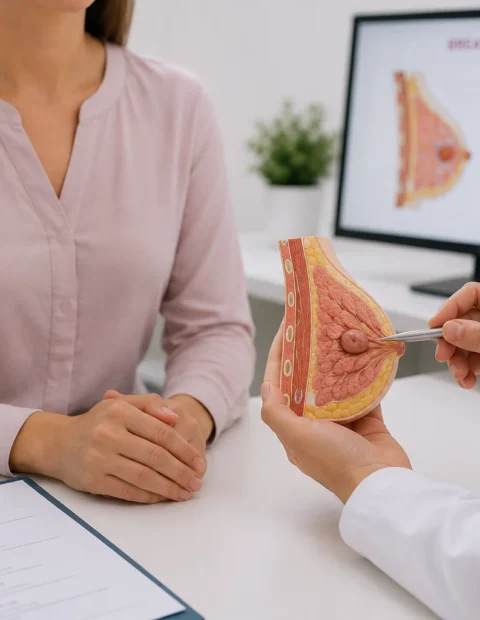
First opinion or second, we’ll walk you through treatment options with care and clarity.
Start with a consultation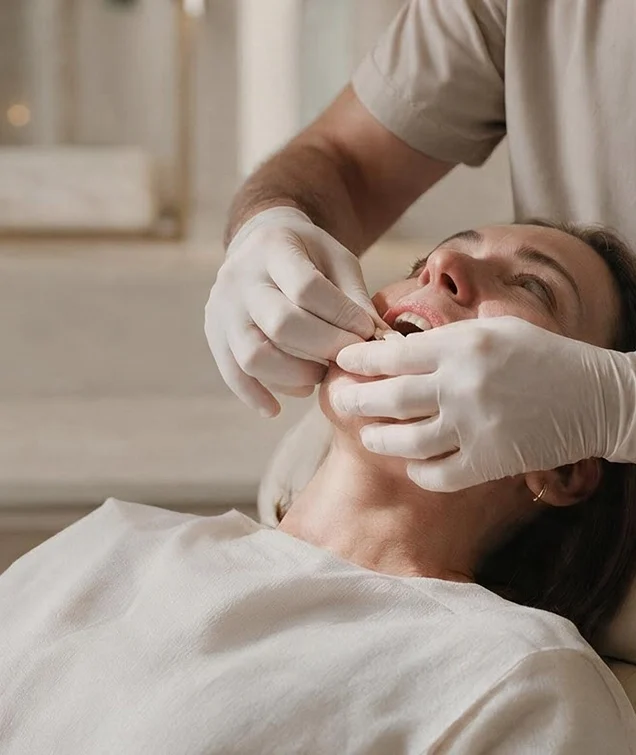
Before you book
Orthognathic surgery is usually recommended when the upper and lower jaws do not meet correctly, affecting your bite, breathing or facial balance.
Signs to look for:
After surgery, aftercare may include a soft or liquid diet, careful oral hygiene, prescribed medication and regular follow-ups to monitor healing and jaw alignment.
If any of these sound familiar, an assessment can determine whether orthognathic surgery is appropriate and plan the right correction for you.
Testimonials
Real experiences from patients who placed their trust in expert hands.
01 / 22
Consultation locations
Consultations and treatments are offered across our network of private clinics and accredited hospitals; choose whichever suits you.
01 / 08
Send a message
Share a few details, and we will reply as soon as we can. For anything urgent, please call us directly.
Mon–Fri: 09:00–18:00
Sat: 10:00–14:00
Sun: Closed
Related procedures
Explore related treatments tailored to your needs, with specialist care and personalised guidance at every stage.
01 / 14
Begin with a detailed consultation, personalised plan, and upfront cost estimate.
Contact the clinicQuick answers
We use general anaesthesia during surgery and provide pain relief after. Most patients feel mild soreness, which gradually improves over the first week.
Initial healing takes 2–3 weeks, while full recovery can take a few months. We guide you through each stage with regular follow-ups.
Yes, your facial profile and symmetry may improve. We use digital planning to show expected changes before treatment so you know what to expect.
Most patients have orthodontic treatment before and after surgery. We coordinate both stages to align your teeth and jaws smoothly and predictably.
All surgeries carry some risk, but we use precise planning, sterile protocols, and expert care to minimise complications and ensure safety.
Costs depend on the treatment plan. We provide a clear breakdown in your consultation so you can make an informed decision comfortably.
Most patients resume light activities in 2–3 weeks and gradually return to full routines as healing progresses.
Yes. Orthognathic surgery has around a 90% patient satisfaction rate and about a 94% success rate. It can help achieve facial harmony, improve jaw alignment, and address obstructive sleep apnea. While recovery takes time, many patients feel the long-term functional and aesthetic gains are worth it.
The stitches inside the mouth dissolve on their own within 3 to 4 weeks. Small titanium plates and screws are placed in the jaws to support healing; they are designed to stay for life and are unnoticeable. In about 2 out of 10 cases, they may need to be removed at a later stage.