
Dental Implant Surgery

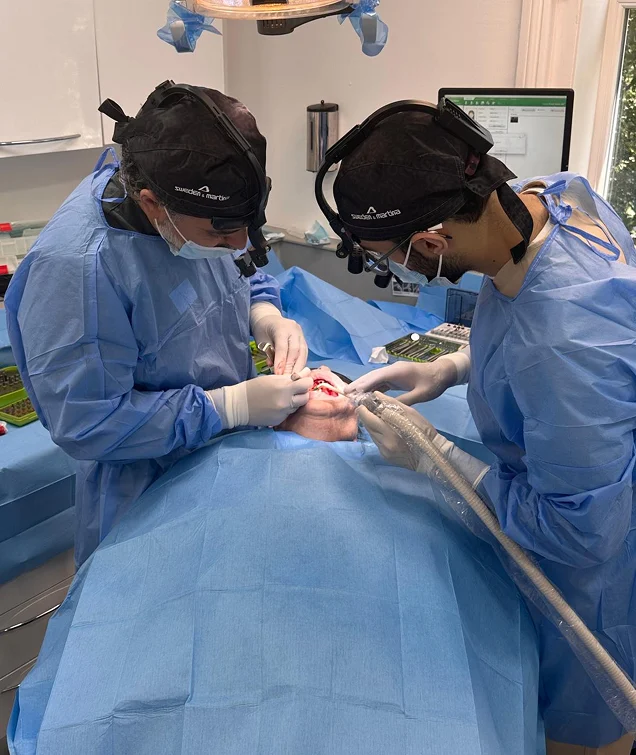
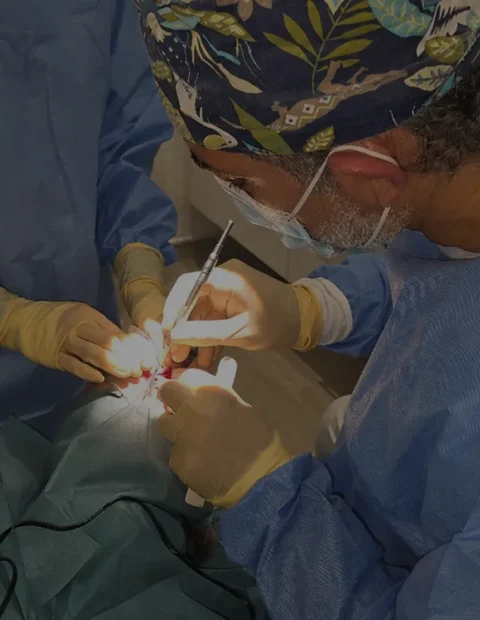
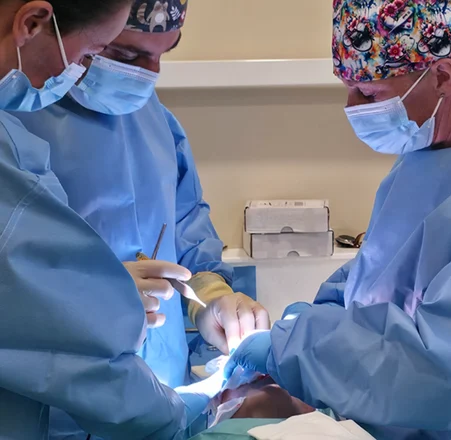
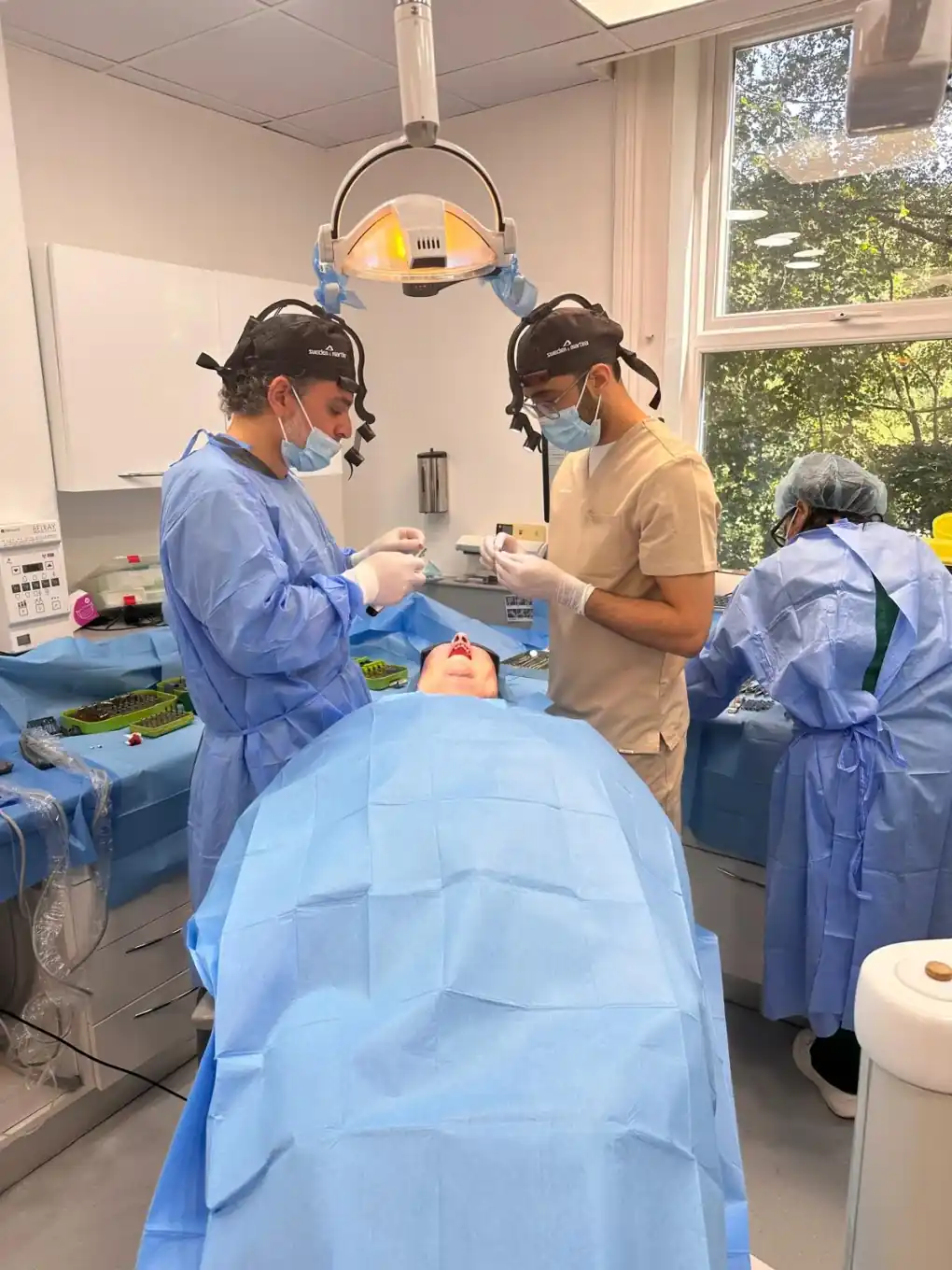
Many people put off dental implants, worrying that the process will be long or complicated. But with Mr Anabtawi, treatment is precise, reliable, and patient-focused, so you can eat, speak, and smile with confidence.

  • Circle Health Group logo
  • ICE Postgraduate Dental Institute and Hospital logo
  • Healthcare service partner logo displayed at Allura Medical
  • My dentist logo
  • Harley Private Dental logo
  • AXA Health insurance logo
  • TDA Logo
  • Bupa health insurance logo
  • WPA health insurance logo
  • Allianz health insurance logo
  • Vitality health insurance logo
  • ICE Dental & Implant Centre logo

Your options

A closer look at your treatment choices.

These are the implant options we may recommend once we have assessed yours.

Conventional dental implant diagram

Conventional Dental Implants

A small artificial root is placed in the jaw where the tooth is missing. Over time, the bone holds it firmly in place, and a prosthetic tooth is attached on top. This option is best for patients with healthy gums and enough bone support
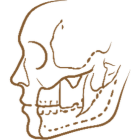
Zygomatic and pterygoid dental implants illustration

Zygomatic and Pterygoid Implants

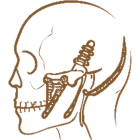
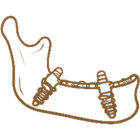
For patients without enough bone in the upper jaw, these advanced implants use stronger bone in other regions. Both options allow those with severe bone loss to receive implants without extra bone-building procedures.

Subperiosteal dental implants illustration

Subperiosteal Implants

Instead of being placed into the bone, these implants sit on top of the jawbone but under the gums. They are less common today, but can be a simpler alternative to complex grafting.

Sinus lift and bone grafting illustration for dental implants

Sinus Lift and Bone Grafting

If the jawbone is too thin or weak to hold implants, extra bone can be added. A sinus lift increases bone height in the posterior upper jaw, while bone grafting strengthens weak areas. Both make sure implants stay secure for the long term.

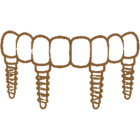
Line icon representing All-on-4 and All-on-6 dental implants

All-on-4 / All-on-6 Full Arch Solutions

Instead of replacing each missing tooth with an implant, this method uses just four or six artificial roots to support a full set of new teeth. It is a faster and more efficient way to replace an entire arch of missing teeth.

Conventional dental implant procedure illustration

Soft Tissue Grafting

Healthy gums are just as important as healthy teeth. If the gums are too thin or have shrunk back, soft tissue grafting adds strength and improves the appearance of the gums around implants. This helps implants stay healthy and look natural.

Protect your smile
for a lifetime.

We rebuild strength and harmony for a smile that stays strong for years ahead.

Start with a consultation
When are Dental Implants needed?

Before you book

When are Dental Implants needed?

Dental implants are usually recommended when one or more teeth are missing, or too damaged to save, and you want a fixed, natural-looking replacement.

Signs to look for:

  • One or more missing or failing teeth
  • Loose, uncomfortable dentures
  • Difficulty chewing or biting properly
  • Gaps affecting your smile or confidence
  • Bone loss or shifting of nearby teeth

Aftercare may include keeping the implant area clean, following dietary advice, taking prescribed medication and attending follow-up appointments while you heal.

If any of these sound familiar, an assessment can determine whether implants are suitable and plan a stable, long-lasting solution.

Consultation locations

Close to home, across Yorkshire & the North-West.

Consultations and treatments are offered across our network of private clinics and accredited hospitals; choose whichever suits you.

Send a message

Tell us how we can help.

Share a few details, and we will reply as soon as we can. For anything urgent, please call us directly.

Opening hours

Mon–Fri: 09:00–18:00
Sat: 10:00–14:00
Sun: Closed

Contact preference

A confident smile changes everything.

Implants don’t just replace teeth, they restore the freedom to smile, laugh, and live fully.

Book your slot now

Quick answers

Frequently asked questions.

Are dental implants painful?

During the implant procedure, we use a local anaesthetic to numb the area, so you won’t feel any pain, only some pressure or vibration. After the procedure, mild soreness or swelling is normal for a few days and can usually be managed with over-the-counter pain relief. If you feel anxious, conscious sedation (tablet or IV) is also available to help you stay relaxed and comfortable.

How long does the dental implant process take?

This depends on your individual needs. Some patients can have teeth placed on the same day, while others may need a few months for healing before the final tooth is fitted. Your treatment plan will be explained clearly during your consultation.

Am I a good candidate for dental implants?

If you are missing one or more teeth and are generally healthy, implants may be an option for you. Healthy gums and enough bone are important, but even if you have bone loss, advanced techniques such as grafting or zygomatic implants may still make implants possible.

How long do dental implants last?

Implants are designed as a long-term solution. With good care, regular check-ups, and proper oral hygiene, they can last for many years, often for life. In most cases, only the crown (the visible tooth on top) may need replacing after many years of use.

What are the benefits of implants compared to dentures or bridges?

Implants stay fixed in place, look natural, and feel the closest to real teeth. Unlike dentures, they will not slip, and unlike bridges, they do not rely on other teeth for support. They also help preserve the jawbone, keeping your facial structure natural.

How much do dental implants cost?

The cost varies depending on how many implants you need and the type of procedure involved. A detailed estimate will be provided after your consultation.

Is there a lot of aftercare needed?

After the procedure, you will be given clear instructions for home care. Good oral hygiene and regular dental visits are essential to keep implants healthy and long-lasting.

Can smokers get dental implants?

Smoking can affect healing and reduce the long-term success of implants, but it does not always rule them out. Mr Anabtawi will discuss your individual situation during your consultation.