Tooth Extraction
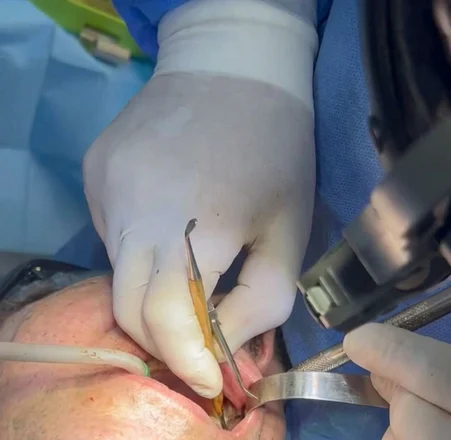
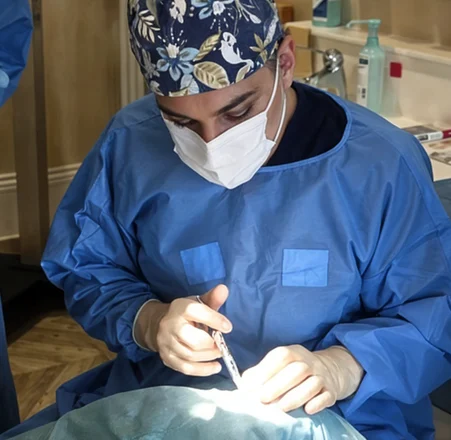
Tooth extractions are performed when a tooth is severely decayed, damaged, or causing crowding. The treatment helps prevent infection, relieves pain, and protects the health of surrounding teeth and gums.
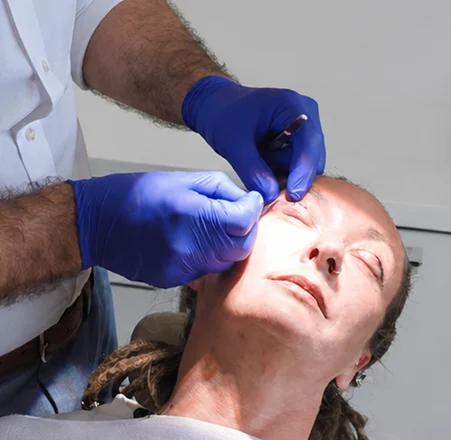
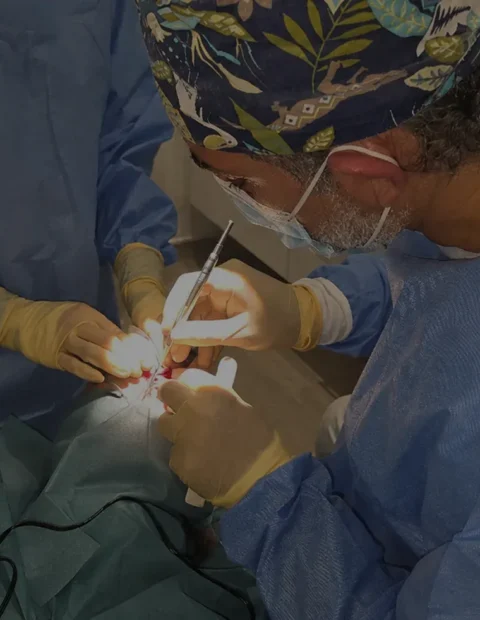
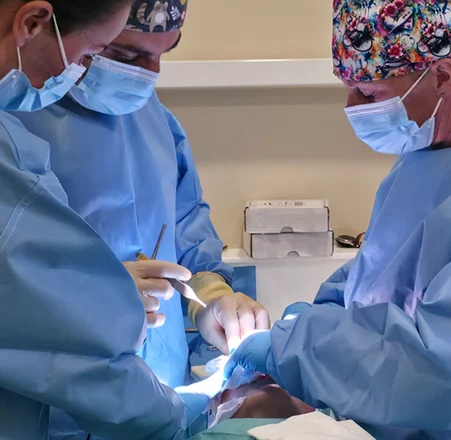
From complex tooth extractions to reconstructive jaw surgery, every procedure is performed with surgical precision and patient comfort as the top priority.





What we offer
We provide oral surgery with precision and care, always prioritising your ease and safety.
Tooth extractions are performed when a tooth is severely decayed, damaged, or causing crowding. The treatment helps prevent infection, relieves pain, and protects the health of surrounding teeth and gums.
Impacted teeth, especially wisdom teeth, can cause pain, swelling, and infection. Surgical removal is done when these teeth fail to erupt fully. Using the least invasive techniques, we remove them safely to minimise the risk of complications.
Root fragments left behind after incomplete extractions can lead to infection, swelling, or pain. We gently remove retained roots to clear infection risk, preserve healthy bone, and prepare the site for future treatments.
An apicectomy is performed when infection persists after root canal treatment. It removes the tip of the tooth root and seals it to prevent bacteria from causing a recurring infection. This saves the natural tooth, relieves pain, and stops infection.

Oral cysts can form in the jawbone or soft tissue, causing swelling or bone damage. This procedure restores bone health, eases discomfort, and creates a stable foundation for future dental treatments if needed.
Before fitting dentures or implants, the bone may need reshaping to ensure a stable fit. We perform ridge modification to smooth sharp bone edges and improve support. This helps dentures or implants sit perfectly, function properly, and last longer.
Don’t wait for the pain to get worse. A consultation today can set you on the path to lasting relief.
Plan your consultation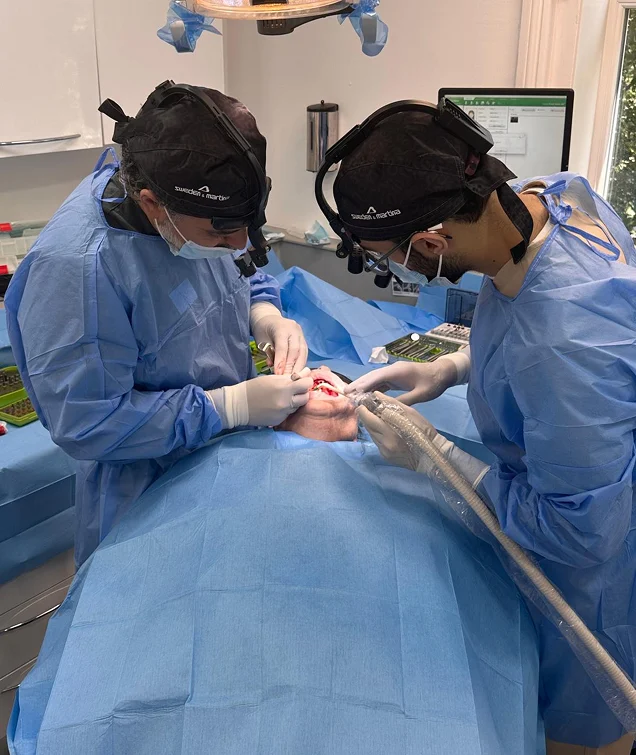
Before you book
Oral surgery is usually recommended when a problem in the mouth or jaw stops settling on its own. It often starts as everyday discomfort that gradually worsens or keeps coming back.
Signs to look for:
Aftercare may include keeping the area clean, following dietary advice, taking prescribed medication and avoiding strenuous activity while you heal.
If any of these sound familiar, an assessment can find the cause and put a plan in place for comfortable relief.
Testimonials
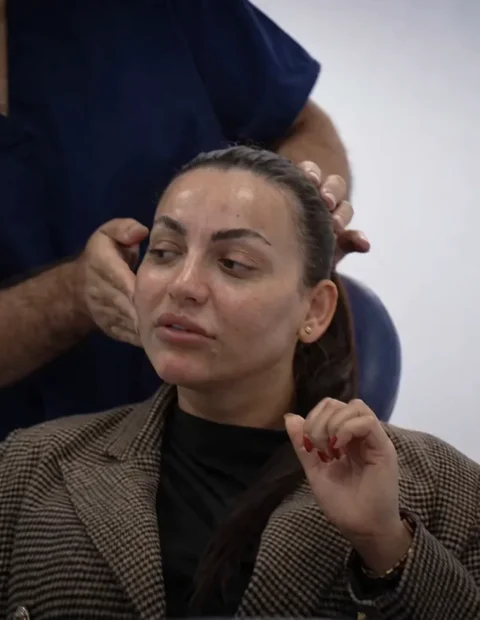
Real experiences from patients who placed their trust in expert hands.
01 / 22
Consultation locations
Consultations and treatments are offered across our network of private clinics and accredited hospitals; choose whichever suits you.
01 / 08
Send a message
Share a few details, and we will reply as soon as we can. For anything urgent, please call us directly.
Mon–Fri: 09:00–18:00
Sat: 10:00–14:00
Sun: Closed
Related procedures
Explore related treatments tailored to your needs, with specialist care and personalised guidance at every stage.
01 / 14
Get a complete evaluation, treatment plan, and cost estimate from our specialists.
Book nowQuick answers
We use local anaesthesia and gentle techniques to keep you comfortable. Most people feel only mild soreness for a few days.
If you’re anxious, we offer sedation:
All locations: oral sedation
Harley Private Dental & Ice Dental: Oral and IV sedation
Thornbury: oral, IV, and general anaesthetic
Recovery varies by procedure, but most patients return to normal activities within a few days. We provide clear aftercare instructions to support faster healing.
After oral surgery, you might notice a bit of swelling, light bleeding, or some discomfort for a short time. Pain relief medication is often provided, and most people find that the pain eases day by day.
All surgeries carry some risk, but we use advanced planning, sterile protocols, and safety checks to minimise complications and keep your procedure safe.
Costs depend on the procedure. We provide a full breakdown before treatment begins, so you can plan with confidence and avoid unexpected expenses.
For at least a week after oral surgery, avoid heavy lifting, strenuous exercise, or any pushing and pulling. Physical strain can cause bleeding, disturb healing clots, and worsen swelling.
You’ll start with soft foods for a few days to protect the surgical site. As healing progresses, we’ll guide you on safely returning to normal meals.
You may need 1–3 days off for simple procedures and up to 1 week or more for complex ones. We’ll advise based on your treatment.
Tooth extraction is the most common oral surgery performed today. Both impacted teeth and wisdom teeth that cause issues often need to be removed to prevent further dental problems.