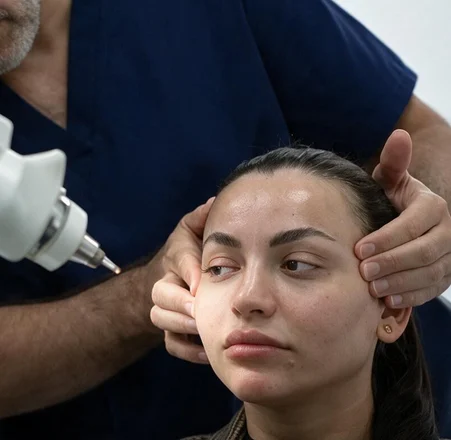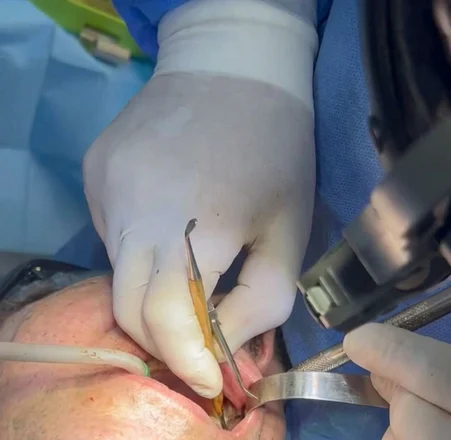

Diagnostics (Biopsies & Dermatoscopy)
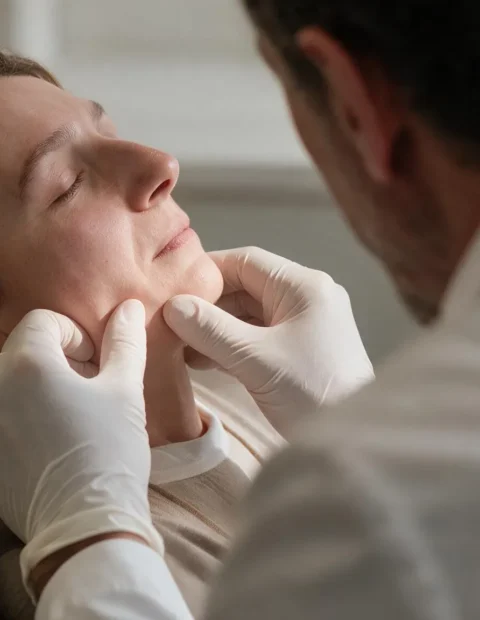
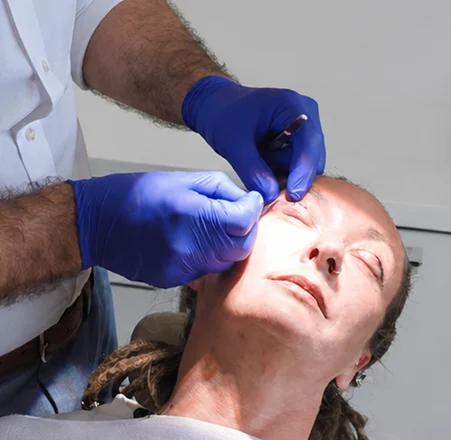
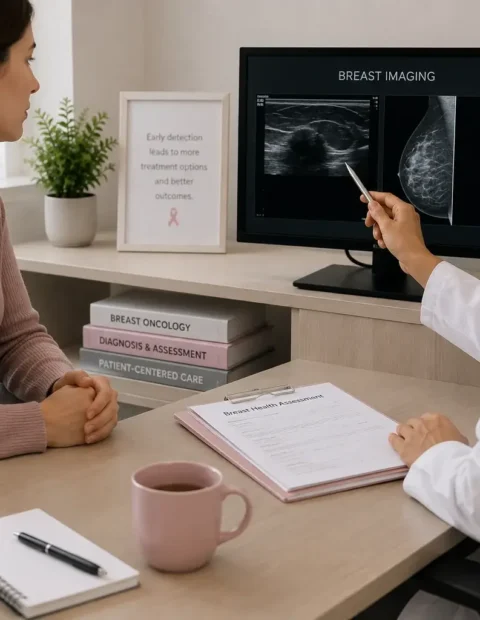
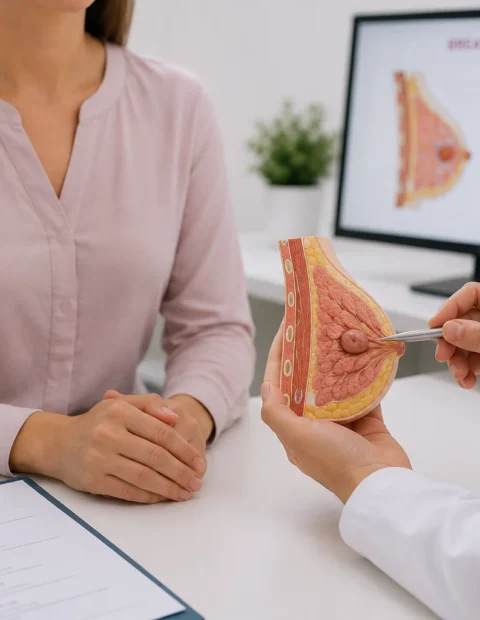
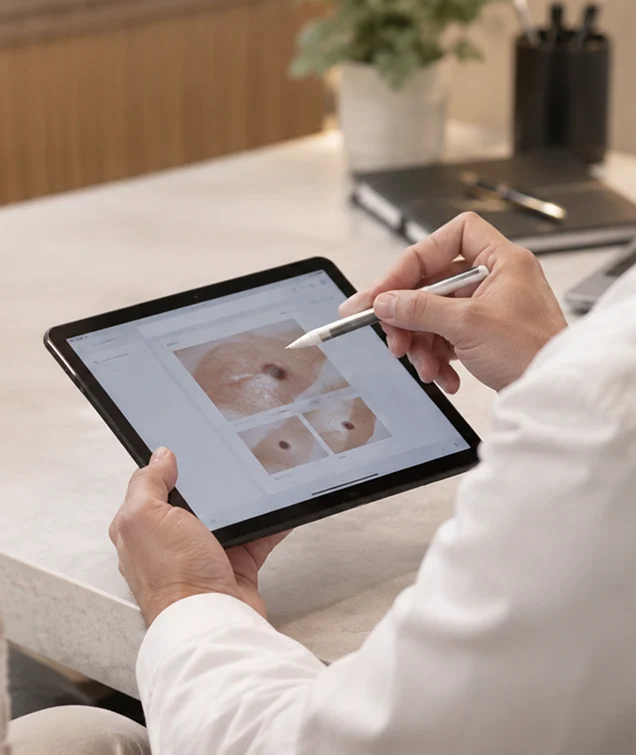
Some lesions are clearly cancer and are treated directly with excision. For others, a biopsy or diagnostic dermatoscopy is carried out first to confirm the diagnosis before any treatment.
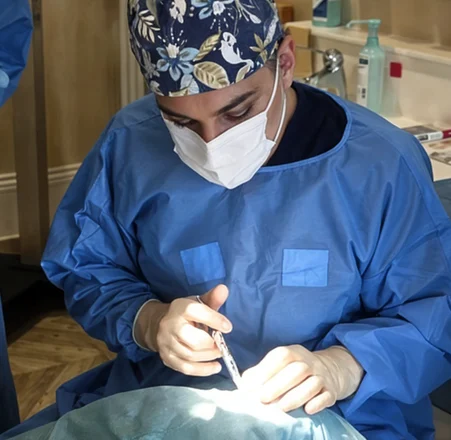
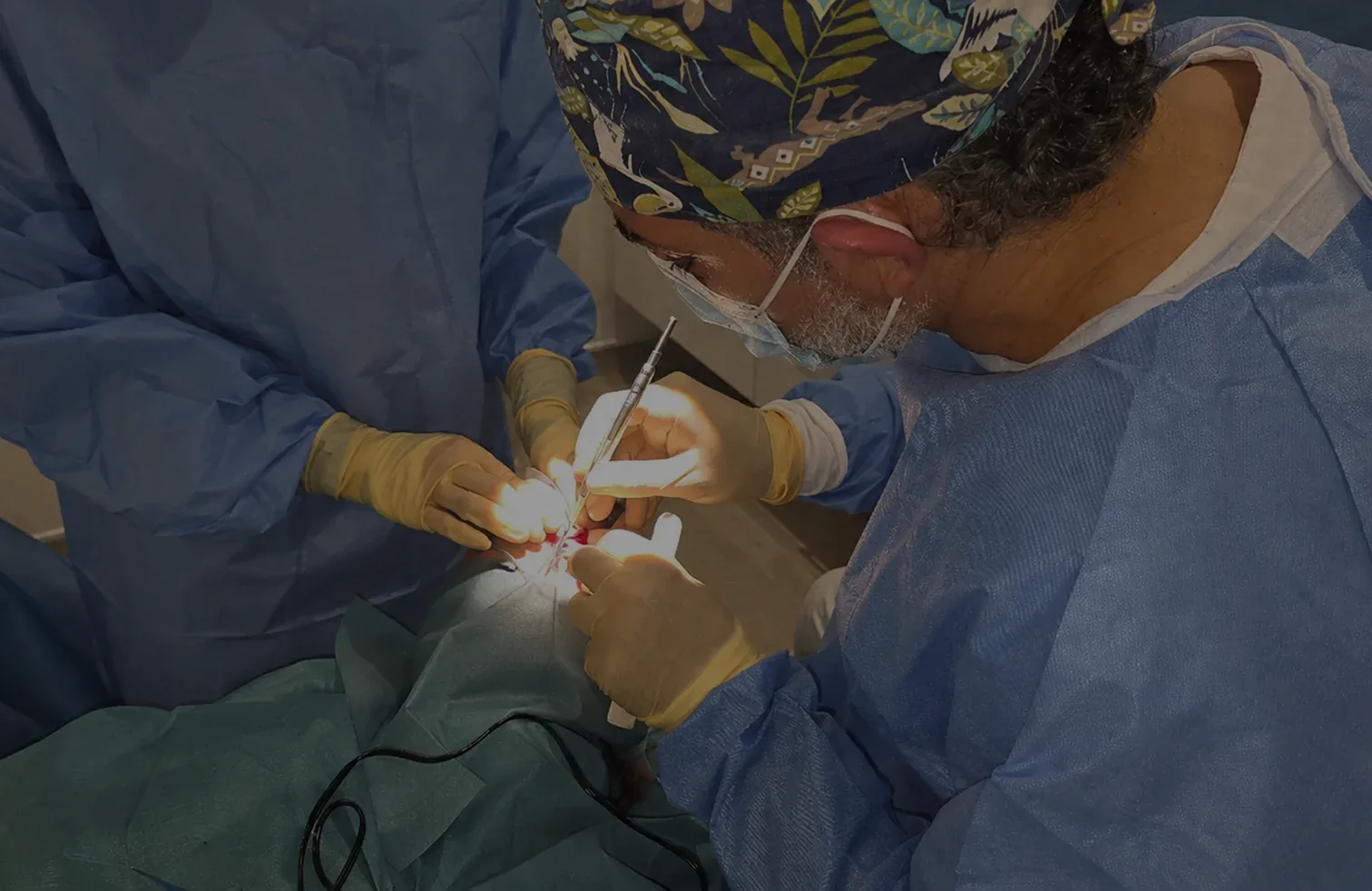
Precise removal of skin cancers with careful attention to clear margins, healthy healing and a natural appearance.





Your options
From confirming the diagnosis to removing the cancer and repairing the area, here is what your care may involve.
Some lesions are clearly cancer and are treated directly with excision. For others, a biopsy or diagnostic dermatoscopy is carried out first to confirm the diagnosis before any treatment.

When the area is small, the wound edges are brought together and stitched directly. This gives a fine, straight scar that usually heals discreetly within the natural lines of the skin.

A piece of skin, taken with all its layers from another area, is used to cover the wound. It gives a good colour and texture match, and is often chosen for repairs on the face.

A thinner, split-thickness layer of skin is used to cover larger wounds. The donor area heals on its own, making this a reliable way to close bigger areas.

Nearby healthy skin is gently moved to cover the wound while keeping its own blood supply. This helps match the skin closely and hide scars within natural creases.
Tissue from a neighbouring region, along with its blood supply, is used to reconstruct larger or more complex defects while preserving function and appearance.
For the most complex cases, tissue is taken from elsewhere in the body and its blood vessels are reconnected under the microscope to rebuild the area.
Getting it checked early gives the best outcome. A prompt consultation means a clear diagnosis and a plan.
Before you book
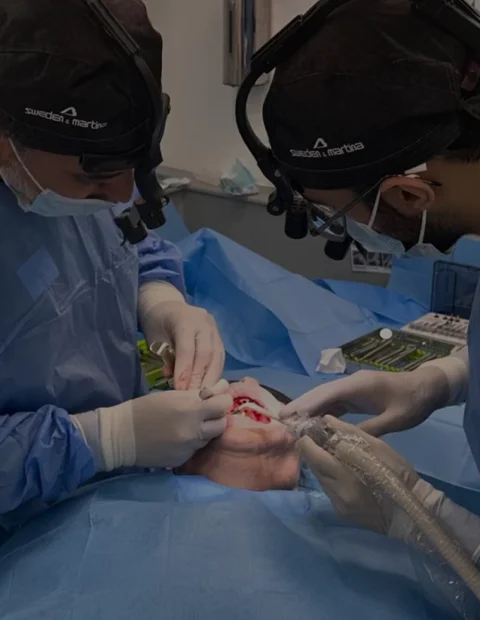
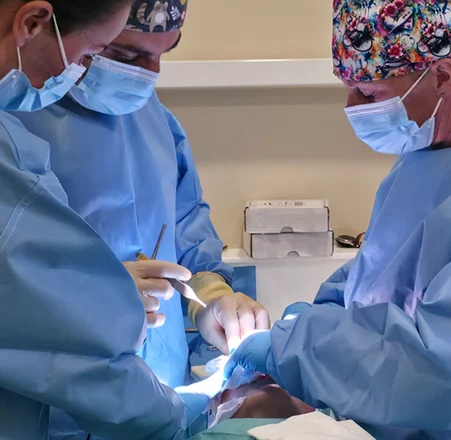
Skin cancer excision is usually recommended when a spot or lesion on the face, scalp or neck shows signs of being cancerous and needs removing.
Signs to look for:
After surgery, aftercare may include keeping the wound clean and protected, following dressing instructions and attending follow-up appointments to monitor healing.
If any of these sound familiar, prompt assessment can confirm the diagnosis and determine the most appropriate treatment.
Testimonials
Real experiences from patients who placed their trust in expert hands.
01 / 22
Consultation locations
Consultations and treatments are offered across our network of private clinics and accredited hospitals; choose whichever suits you.
01 / 08
Send a message
Share a few details, and we will reply as soon as we can. For anything urgent, please call us directly.
Mon–Fri: 09:00–18:00
Sat: 10:00–14:00
Sun: Closed
Related procedures
Explore related treatments tailored to your needs, with specialist care and personalised guidance at every stage.
01 / 14
Choose care focused on stability, balance, and long-term function.
Quick answers
It is the surgical removal of a skin cancer along with a margin of healthy tissue around it, to give the best chance of removing it completely. The tissue is sent to a laboratory to confirm the cancer has been fully removed.
Some scarring is unavoidable, but incisions are planned to sit within the natural lines of the face and neck, and the repair method is chosen to keep scars as discreet as possible.
This depends on the size, depth and location of the area removed. Options range from stitching the edges directly to skin grafts or local, regional and free flaps. The most suitable approach for you is explained beforehand.
Only if the area is too large or awkwardly placed to close directly. Where a graft or flap is needed, the simplest effective option is chosen to restore both appearance and function.
Most excisions are carried out under local anaesthetic, so you should feel pressure rather than pain. Larger reconstructions may be done under sedation or general anaesthetic. Any discomfort afterwards is usually mild and settles quickly.
The removed tissue is examined to check that a clear margin of healthy tissue surrounds the cancer. Occasionally, if the margin is not clear, a further excision or radiotherapy may be recommended to make sure the cancer is completely removed.
In some cases, if the cancer involves or may have spread to nearby lymph nodes or the parotid gland, a neck dissection and/or a parotidectomy may be recommended. We always discuss this fully with you before any treatment.
Most skin cancers are cured by complete excision. Follow-up checks help catch any recurrence or new lesions early, and you will be advised on protecting your skin from further sun damage.