Breast Oncology Diagnosis & Assessment

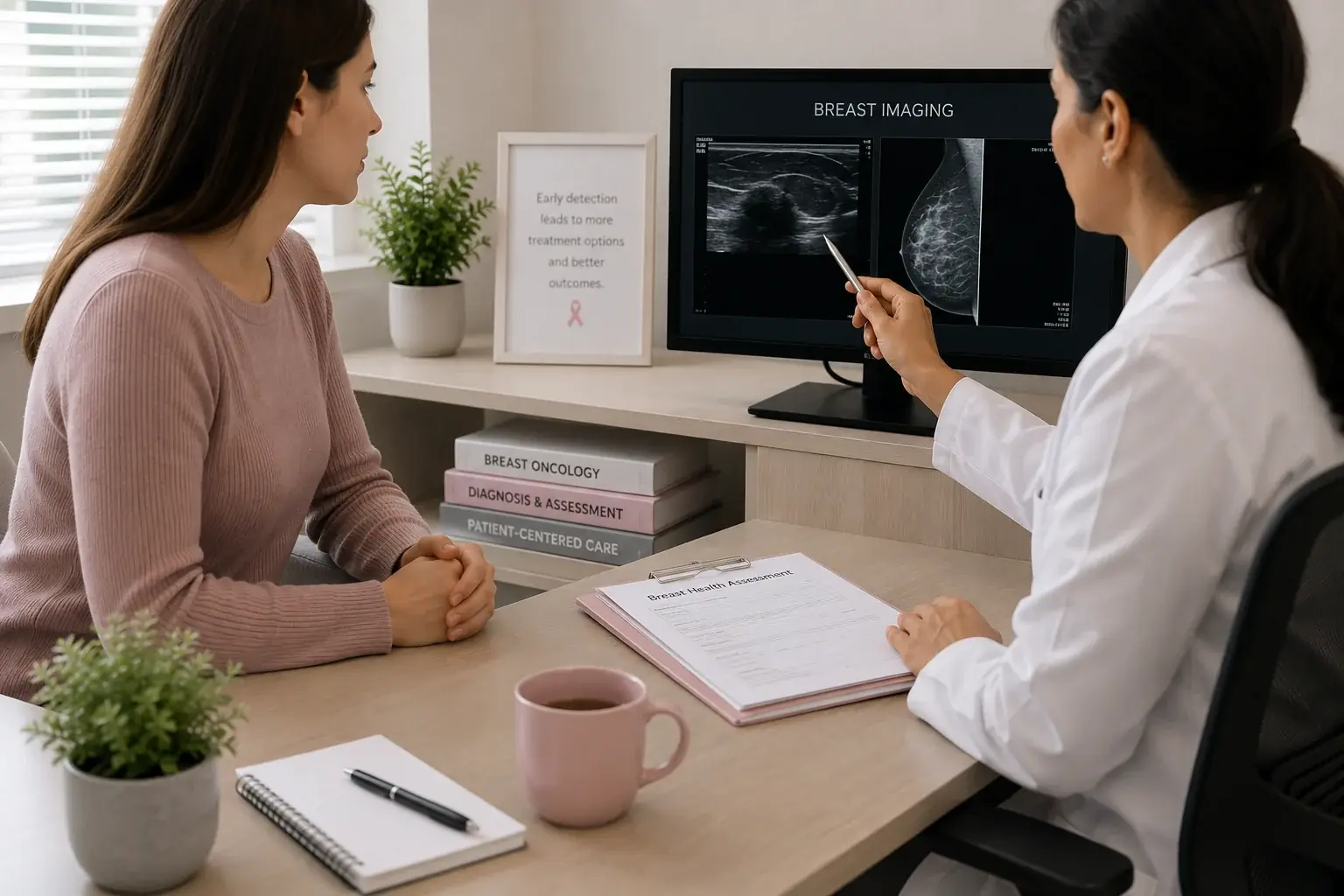
Fast, expert answers when something needs checking. From your first appointment to clear results, every step is handled promptly, thoroughly and with reassurance.

  • GMC & GDC Registered surgeons
  • 1000+ Procedures performed
  • 21+ Years of experience
  • 5.0 Top Doctors rating

Your options

What we offer.

Prompt, specialist assessment to find answers quickly and put your mind at ease.

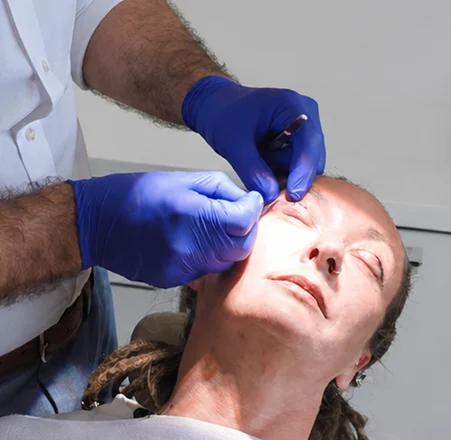
Rapid-access Breast Clinic (Symptomatic)

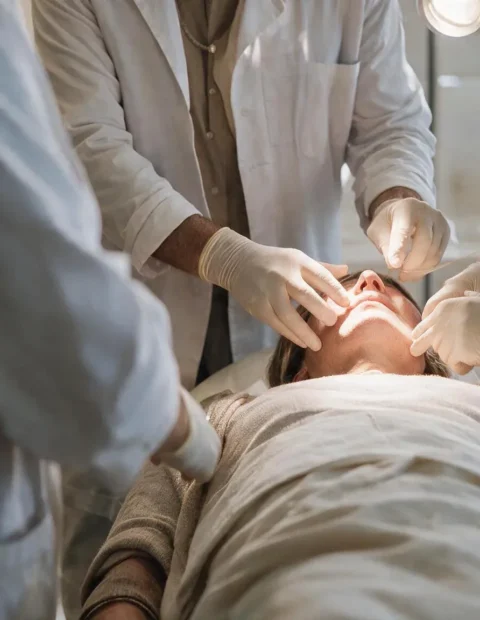
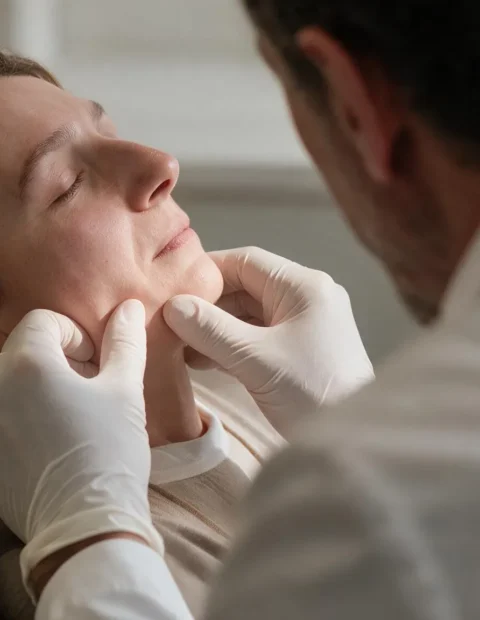
If you have noticed a lump, pain, skin or nipple change, a rapid-access clinic allows you to be seen quickly for expert assessment. Being seen promptly means faster answers and, in most cases, welcome reassurance.

Excision Biopsy

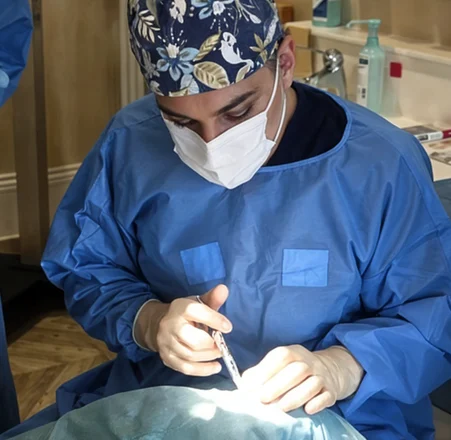
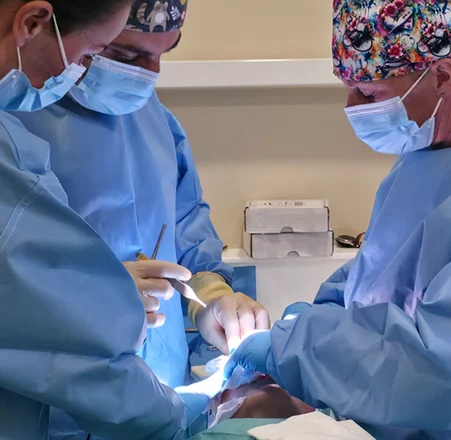
When a sample is needed for a clear diagnosis, an excision biopsy removes a small area of tissue so it can be examined in detail. It helps confirm whether a change is harmless or needs further treatment.

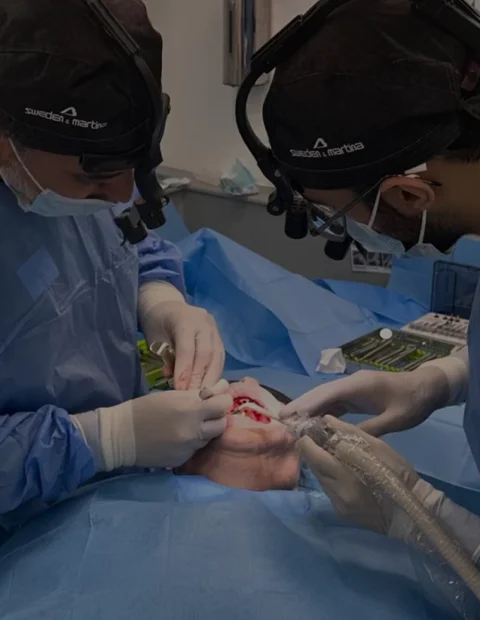
Sentinel Lymph Node Biopsy

This checks whether cancer has spread to the first few lymph nodes under the arm, testing only the nodes the cancer would reach first. It gives important information while keeping surgery to a minimum.

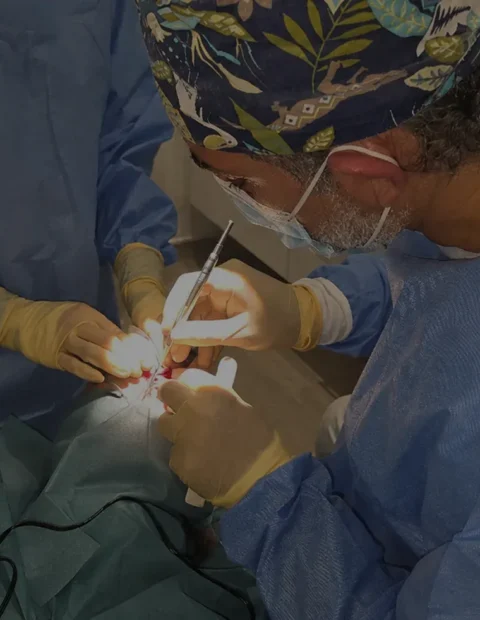
Milk Duct Surgery

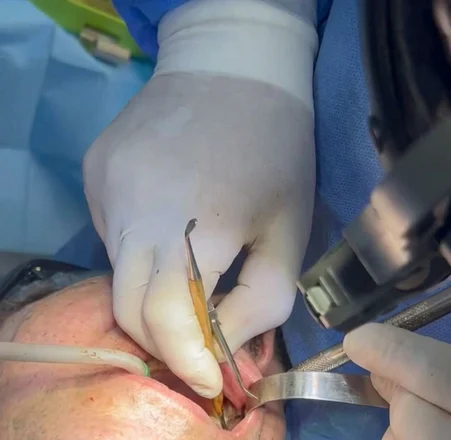
For persistent nipple discharge or a blocked duct, milk duct surgery (microdochectomy or macrodochectomy) removes the affected duct or ducts. It relieves symptoms and allows the tissue to be checked for reassurance.

Noticed a change in your body?

Getting it checked early brings peace of mind. A rapid-access appointment means prompt assessment and clear answers.

Book my appointment

Before you book

What to expect.

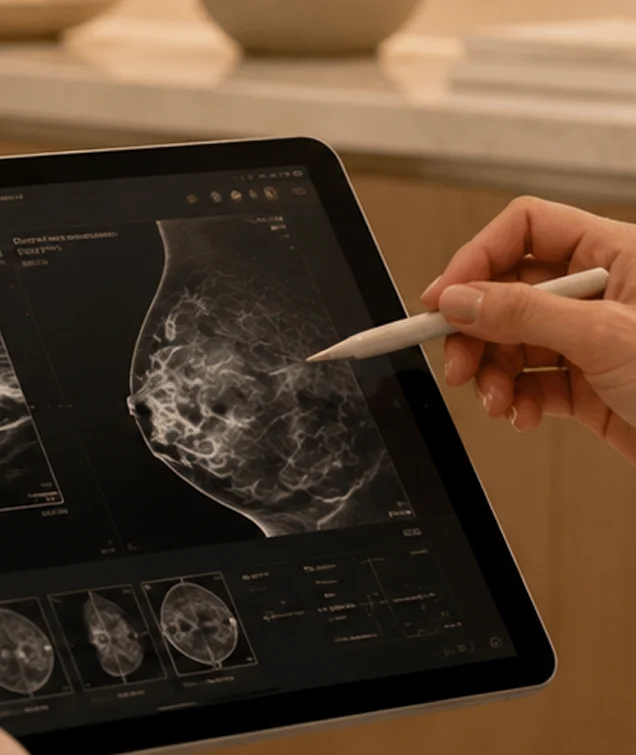
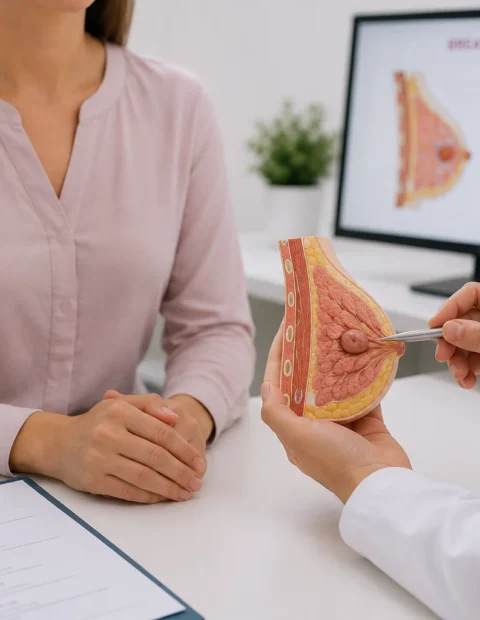
Most breast changes turn out to be harmless, but any new or unusual change is worth checking. Assessment often follows a triple approach, combining a clinical examination, imaging such as a mammogram or ultrasound, and a biopsy if needed. Bringing these together gives an accurate diagnosis quickly, so you have clear answers.

Consultation locations

Close to home, across Yorkshire & the North-West.

Consultations and treatments are offered across our network of private clinics and accredited hospitals; choose whichever suits you.

Send a message

Tell us how we can help.

Share a few details, and we will reply as soon as we can. For anything urgent, please call us directly.

Call us

+44 737 8528194

Opening hours

Mon–Fri: 09:00–18:00
Sat: 10:00–14:00
Sun: Closed

Contact preference

Get clarity sooner rather than later.

Book a prompt, private assessment for expert answers and genuine peace of mind.

Book my appointment

Quick answers

Frequently asked questions.

What should I expect when I come to a one-stop rapid assessment clinic?

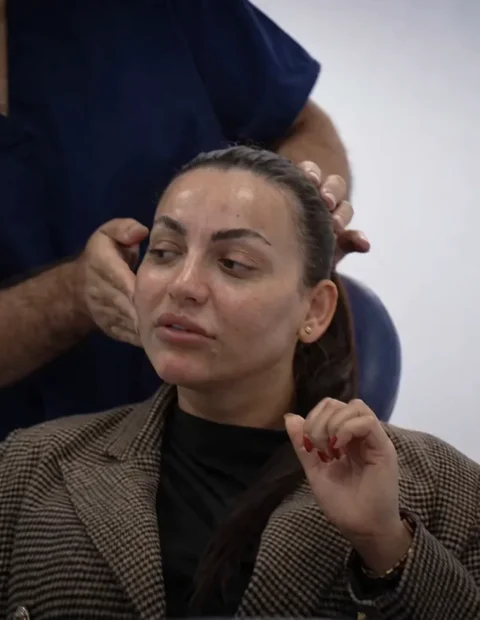
You will be seen by Mrs Alshurbasi, who will take a thorough and relevant history from you and then examine you. Any imaging that is needed is carried out during the same visit, and a biopsy is performed there and then if it is indicated, so most of your assessment happens in a single appointment.

Is the assessment painful?

The examination and imaging are generally comfortable. If a biopsy is needed, a local anaesthetic is used to numb the area, so you should feel pressure rather than pain, with any soreness settling within a day or two.

How long will my appointment take?

Because examination, imaging and any biopsy are combined into one visit, the appointment can take a little longer than a standard consultation. Allowing extra time means you leave with as much clarity as possible in a single trip.

How long do biopsy results take to come back?

Some results are available quickly, while tissue samples typically take a few days to process. You will be told when to expect your results and how they will be shared with you.

What is a microdochectomy?

A microdochectomy is milk duct surgery that removes a single affected duct, usually to investigate persistent nipple discharge. When more than one duct is involved, a macrodochectomy may be recommended instead. The tissue removed is examined for reassurance.

What is a sentinel lymph node biopsy, and when is it needed?

It checks whether cancer has spread to the first few lymph nodes under the arm, testing only the nodes the cancer would reach first. It is used when a diagnosis of breast cancer has been made or is suspected, giving important information while keeping surgery to a minimum.