Broken Jaw Treatment
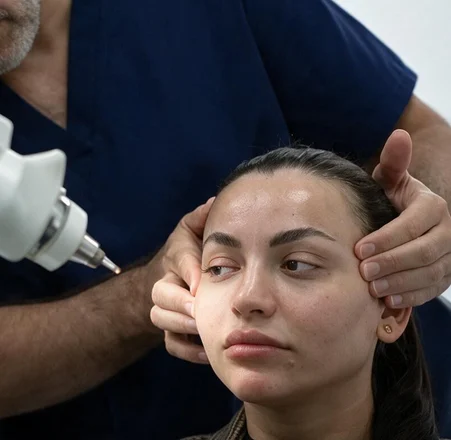
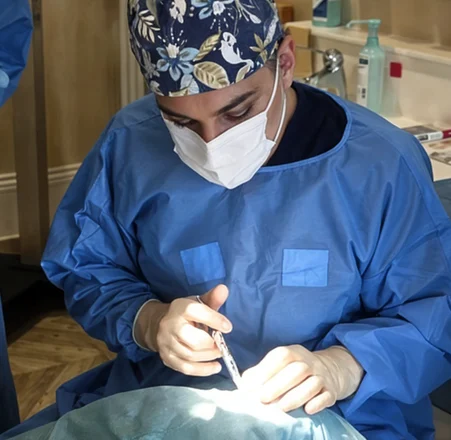
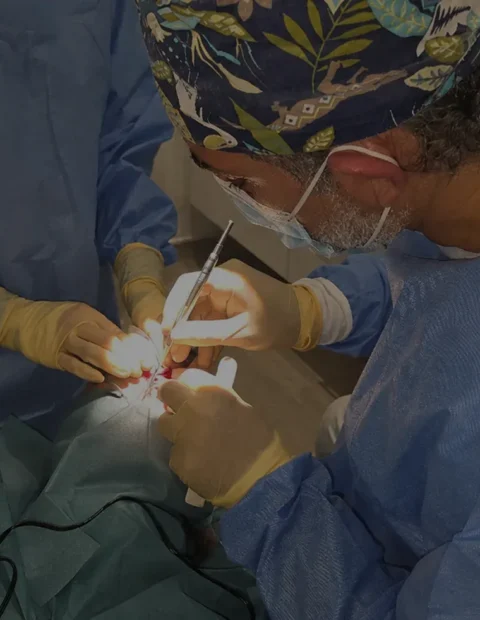
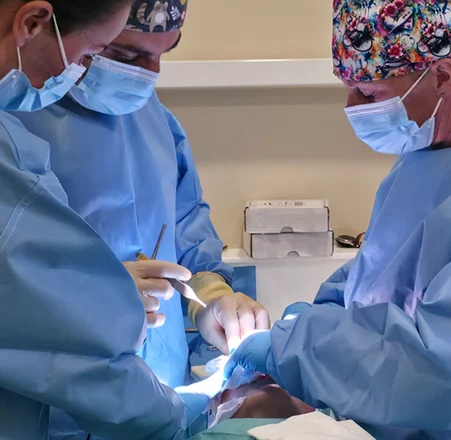
A fractured jaw can make eating, speaking, and even opening the mouth painful. Surgery repositions and stabilises the jaw, allowing it to heal correctly, and helps reduce pain and prevent long-term problems.
Whether it is caused by an accident, a fall, or sports, facial trauma can affect comfort and appearance. Surgery restores balance, aesthetics, and peace of mind with clear, consultant-led care.





Your options
We provide surgery that restores strength, improves healing, and helps patients move forward with confidence.
A fractured jaw can make eating, speaking, and even opening the mouth painful. Surgery repositions and stabilises the jaw, allowing it to heal correctly, and helps reduce pain and prevent long-term problems.
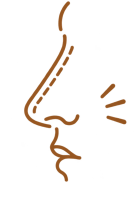
Nasal fractures can cause pain, swelling, and breathing difficulties. Surgery realigns the broken bone and cartilage, restoring both appearance and breathing. Early treatment prevents long-term issues.
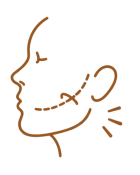
Fractures to the cheekbones or midface can affect vision, bite, and facial balance. Surgery carefully repositions bones to restore strength, symmetry, and everyday comfort, helping patients recover both functionally and cosmetically.
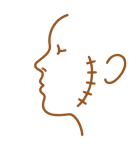
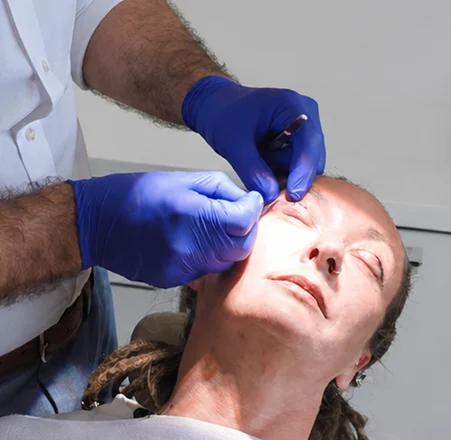
Cuts to the face require careful closure to heal properly and reduce visible scars. We provide precise wound repair and scar management techniques that support healing and create a more natural, less noticeable scar.
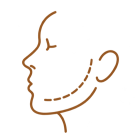
Severe accidents can leave lasting damage that affects both appearance and oral health. Reconstructive surgery rebuilds facial structure, restores strength, and supports a more natural look, helping patients regain confidence.
Timely treatment can be the difference between recovery and regret. Let’s plan your treatment together.
Book my appointment
Before you book
Facial trauma surgery can restore the structure, function, and appearance affected by fractures, wounds, and other facial injuries. Treatment is carefully planned around the type and severity of your injury to support proper healing, reduce long-term problems, and help you return to everyday life with confidence.
Signs to look for:
After surgery, aftercare may include managing swelling and pain, keeping wounds clean, following dietary advice and attending follow-up appointments to monitor healing.
If any of these sound familiar, prompt assessment can determine the extent of the injury and the right treatment for proper healing.
Testimonials
Real experiences from patients who placed their trust in expert hands.
01 / 22
Consultation locations
Consultations and treatments are offered across our network of private clinics and accredited hospitals; choose whichever suits you.
01 / 08
Send a message
Share a few details, and we will reply as soon as we can. For anything urgent, please call us directly.
Mon–Fri: 09:00–18:00
Sat: 10:00–14:00
Sun: Closed
Related procedures
Explore related treatments tailored to your needs, with specialist care and personalised guidance at every stage.
01 / 14
Choose care focused on stability, balance, and long-term function.
Book my appointmentQuick answers
Seek medical attention quickly. Early care often prevents complications and supports better healing.
Bruising and swelling usually clear within 2–3 weeks. Full recovery after surgery can take 6-8 weeks or longer, depending on the depth of the injury and whether nerves are affected.
Yes, that is the goal of treatment. Healing takes time, but most patients regain quality of life with proper recovery.
Yes. Facial trauma can cause jaw joint problems or temporomandibular joint (TMJ) disorders. Injuries to the jaw, head, or neck can disturb joint alignment, causing pain, popping (clicking), headaches, jaw locking, or limited mouth movement.
For simple injuries, most people return within 1–2 weeks. Complex surgeries may need more recovery time.
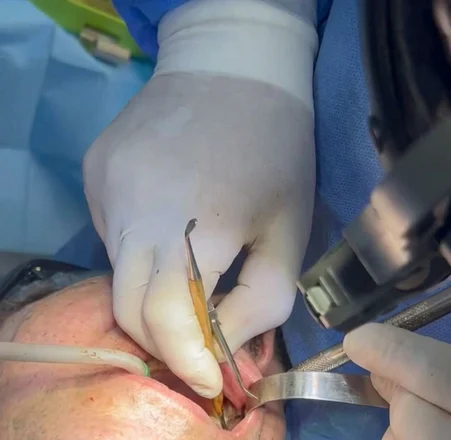
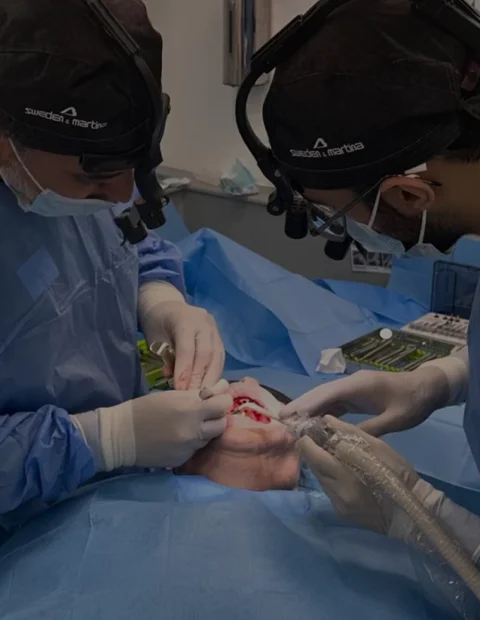
Our treatment depends on the type and severity of the fracture. We manage simple cases conservatively, while complex fractures are repaired surgically with plates, screws, or wires to restore both your health and appearance.
It depends on the type of injury. Some cases need urgent treatment, while others can be scheduled safely after the swelling reduces.
Isolated facial fractures are rarely life-threatening. However, more complex fractures or associated injuries can be, and complications such as airway blockage from bleeding, swelling, or tissue damage may make a facial injury dangerous.
Yes, facial trauma can lead to sinusitis. In addition to direct damage, drainage from the sinuses can get blocked, causing infection and inflammation.
The most serious complication is airway obstruction, which can quickly become life-threatening. It may be caused by bleeding, swelling, fractured teeth, or head injury that affects breathing and reflexes.
A facial injury is considered serious if there is severe swelling or pain, changes in vision, difficulty breathing or swallowing, or heavy bleeding that won’t stop. Warning signs also include facial deformity, numbness, or confusion, such as slurred speech or trouble staying awake. In all such cases, urgent medical care is needed.