Head & Neck Oncology

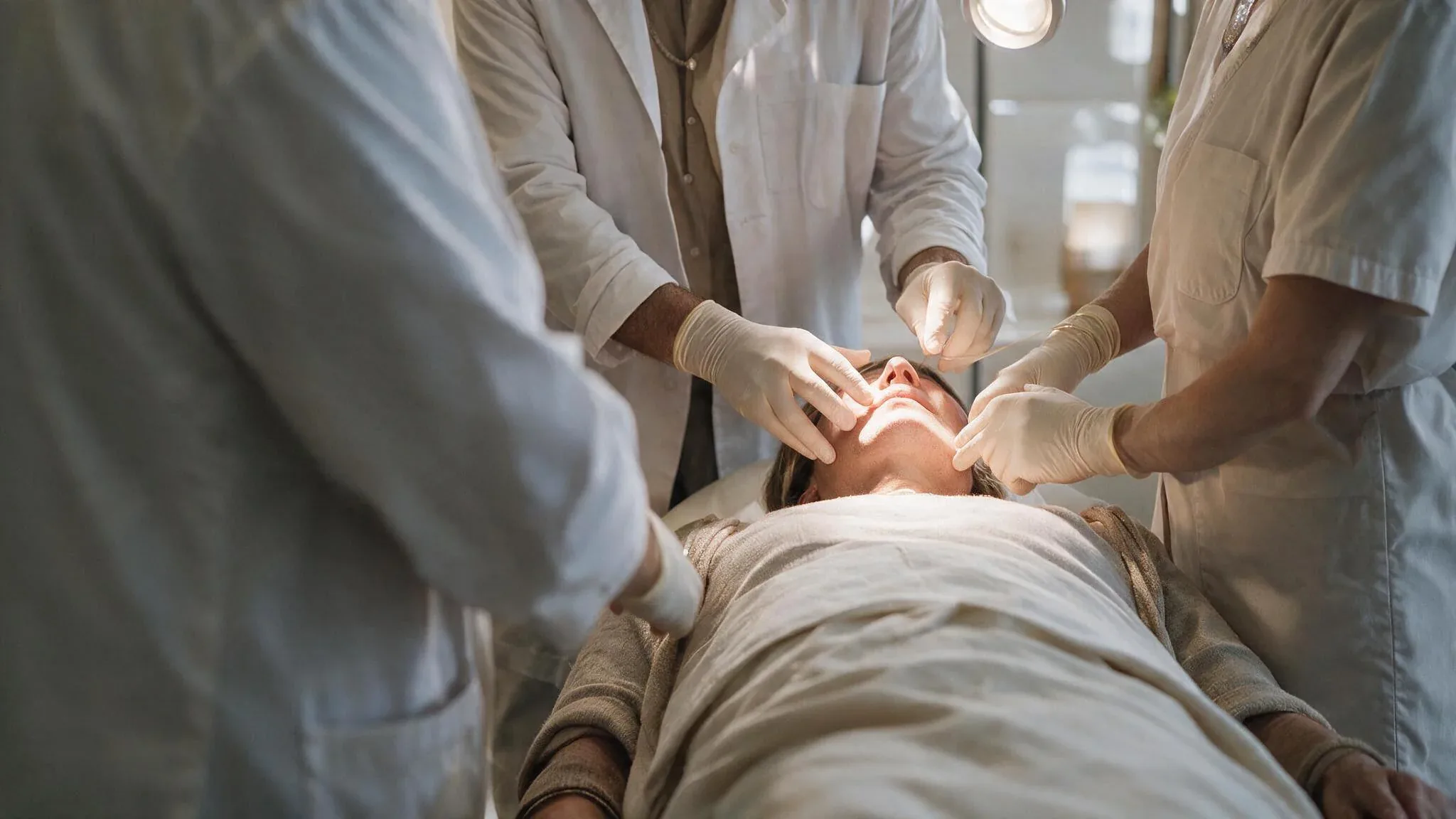
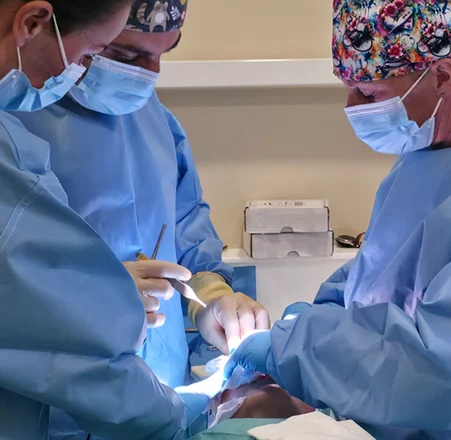
Cancers in the head and neck affect both appearance and essential functions like speech, breathing and chewing. We provide surgical care for head and neck cancers, combining precise tumour removal with reconstruction to restore function and form.

  • GMC & GDC Registered surgeons
  • 1000+ Procedures performed
  • 21+ Years of experience
  • 5.0 Top Doctors rating

Your options

Our areas of expertise in oncology.

Specialist surgical care focused on treating cancer while preserving function, appearance, and quality of life.

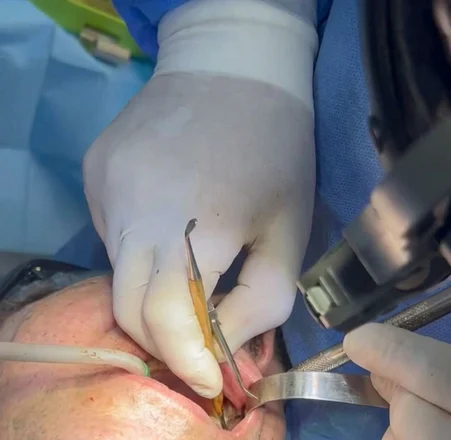
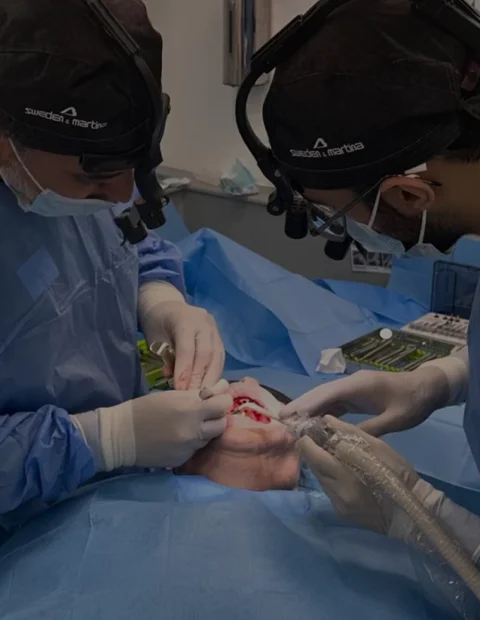
Resection of Oral Cavity Malignancies

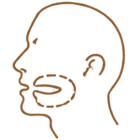
Cancers in the tongue, gums, or floor of the mouth need timely resection to stop them from spreading. Surgery is carried out to aim for clear margins while protecting speech and swallowing, and reconstruction is often performed at the same time to restore function.

Neck Dissection

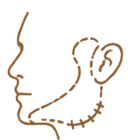
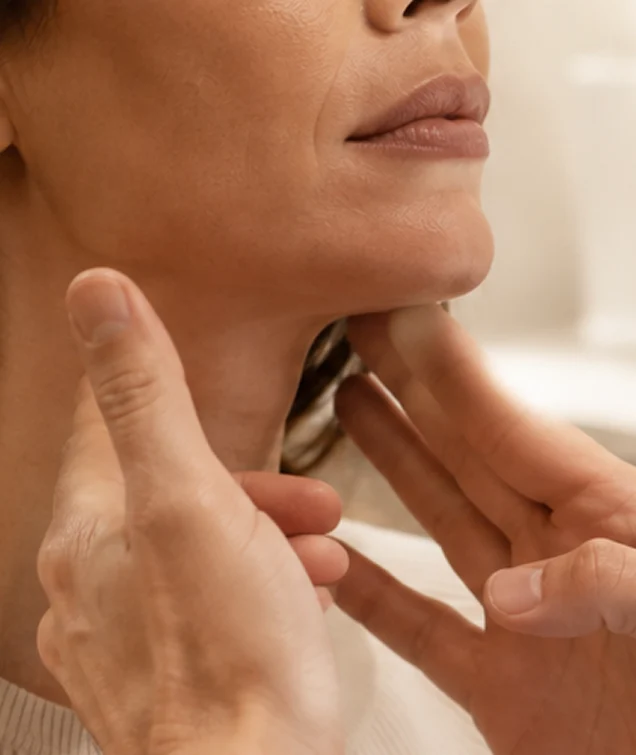
If cancer involves or likely to involve the lymph nodes of the neck, surgical removal provides the best chance of control. The approach is planned to remove only what is necessary, ensuring effective clearance while protecting nerves, vessels, and muscle strength.

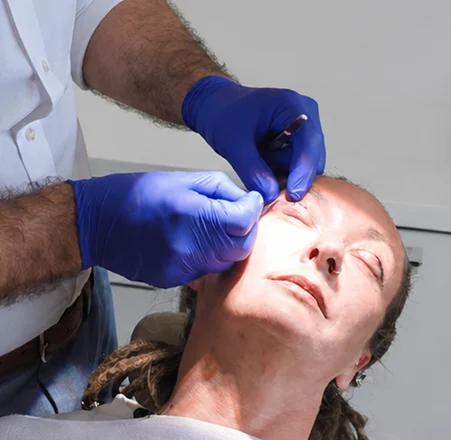
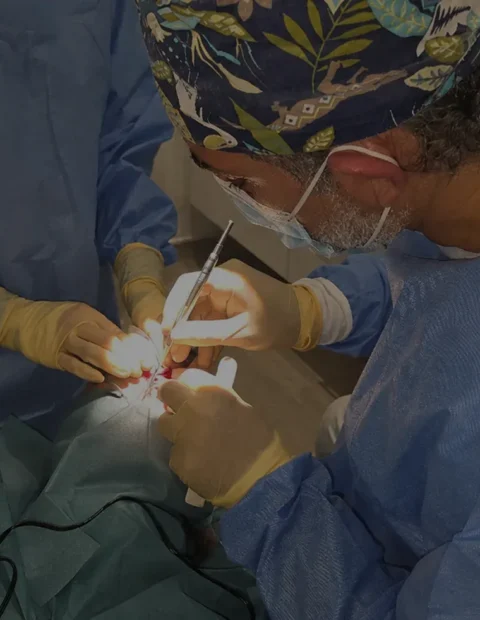
Skin Cancer Excision with Reconstruction

Skin cancers of the face, lips, or scalp require precise excision alongside cosmetic repair. Excision maybe combined with reconstructive techniques such as grafts or flaps, allowing patients to remain safe oncologically while maintaining a natural appearance.

Find the best treatment option for you.

Your care should fit your needs, not the other way around. We’ll talk about every option and help you choose what’s right.

Book my appointment

Before you book

Why choose head & neck oncology surgery?

Head and neck cancer surgery aims to remove cancerous tissue while preserving important functions such as speech, swallowing, and facial movement. Where reconstruction is needed, carefully planned techniques can help restore function and maintain a natural appearance, with treatment tailored to the location and nature of your condition.

Consultation locations

Close to home, across Yorkshire & the North-West.

Consultations and treatments are offered across our network of private clinics and accredited hospitals; choose whichever suits you.

Send a message

Tell us how we can help.

Share a few details, and we will reply as soon as we can. For anything urgent, please call us directly.

Call us

+44 737 8528194

Opening hours

Mon–Fri: 09:00–18:00
Sat: 10:00–14:00
Sun: Closed

Contact preference

Ready to start your treatment journey?

Timely care saves lives. Arrange your consultation today to discuss your options.

Book my appointment

Quick answers

Frequently asked questions.

What is oral cavity cancer surgery, and when is it needed?

Oral cavity cancer surgery, also called resection, is performed when cancer develops in areas like the tongue, gums, palate, or floor of the mouth. It is necessary to remove the tumour before it spreads further, and the procedure can often include reconstruction to restore speech and swallowing function.

Why is a neck dissection performed for head and neck cancers?

Neck dissection is recommended when cancer spreads or likely to spread to the lymph nodes in the neck. Removing the affected nodes helps prevent recurrence and ensures long-term control while preserving important structures such as nerves and muscles.

What types of skin cancer are treated with surgery in the head and neck?

Skin cancers such as basal cell carcinoma, squamous cell carcinoma, and melanoma can develop on the face, lips, ears, or scalp. Surgical excision with reconstruction is the most effective way to remove these cancers while maintaining natural appearance and function.

How long does recovery take after head and neck cancer surgery?

Recovery time depends on the type of procedure and whether reconstruction is involved. Many patients return to normal activities within weeks, while more complex surgeries may require longer healing and follow-up rehabilitation.

Why is multidisciplinary care important in head and neck oncology?

Head and neck cancers often need more than surgery alone. Multidisciplinary care brings together surgeons, oncologists, radiologists, cancer nurse specialists and rehabilitation specialists to ensure treatment is both safe and comprehensive, addressing the cancer and long-term quality of life.

When should I see a specialist for a lump or sore in the mouth or neck?

Any lump, ulcer, or sore in the mouth or neck that does not heal within two weeks should be evaluated by a specialist. Early diagnosis allows for timely treatment, which greatly improves outcomes in head and neck cancers.