Temporomandibular Joint (TMJ) Surgery

TMJ problems can affect the way you eat, speak, and even smile. Advanced TMJ surgeries relieve discomfort and restore natural jaw function.

  • GMC & GDC Registered surgeons
  • 1000+ Procedures performed
  • 21+ Years of experience
  • 5.0 Top Doctors rating

Your options

Surgical and non-surgical TMJ options.

Comprehensive TMJ care focused on relieving discomfort, restoring function, and improving your quality of life.

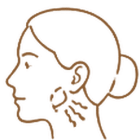
Joint Injections & Splint Therapy (Non-surgical)

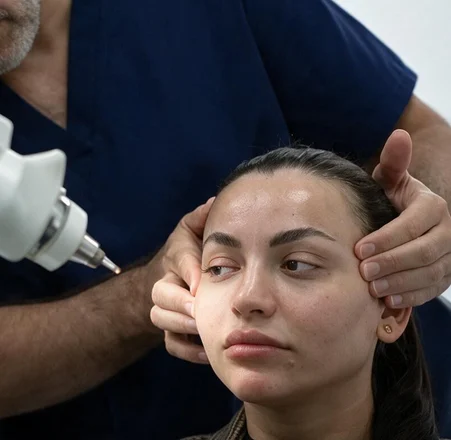
Custom bite splints and targeted injections reduce joint inflammation, ease pain, and improve movement. These early, non-surgical treatments relieve pressure on the joint, helping restore comfort and function and preventing the condition from worsening over time.

Muscle and Facial Pain Management (Non-surgical)

TMJ pain often comes from tense facial or jaw muscles. Treatment focuses on relaxation, posture correction, and gentle exercises to ease discomfort, restore mobility, and prevent recurring pain, allowing for smoother, more natural jaw movement

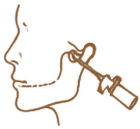
Arthrocentesis (Surgical)

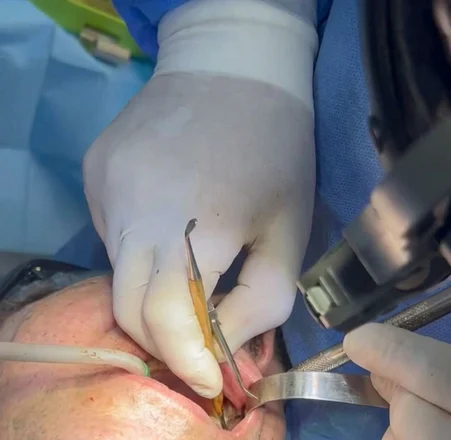
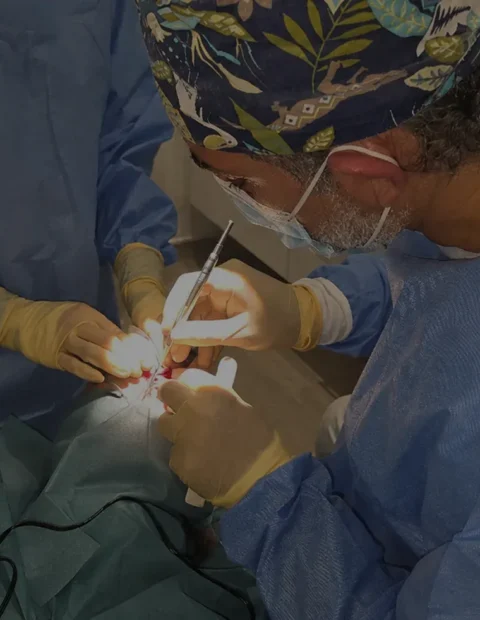
This simple flushing procedure clears debris from the joint, reduces stiffness, and relieves pain. It’s often the first surgical step that may help to restore jaw movement, improve comfort, and help prevent future locking or restricted motion.

Management of TMJ Ankylosis (Surgical)

TMJ ankylosis restricts jaw movement and causes daily discomfort. Surgery releases the fused joint, restores normal motion, and allows easier eating and speaking, helping improve comfort, facial balance, and long-term quality of life.

Arthroscopy (Surgical)

A small-camera procedure used to look inside the joint and treat problem areas. It helps restore smooth jaw movement, reduce inflammation, and treat disc issues precisely, supporting healing and improving overall day-to-day jaw movement.

Open TMJ Surgery (Surgical)

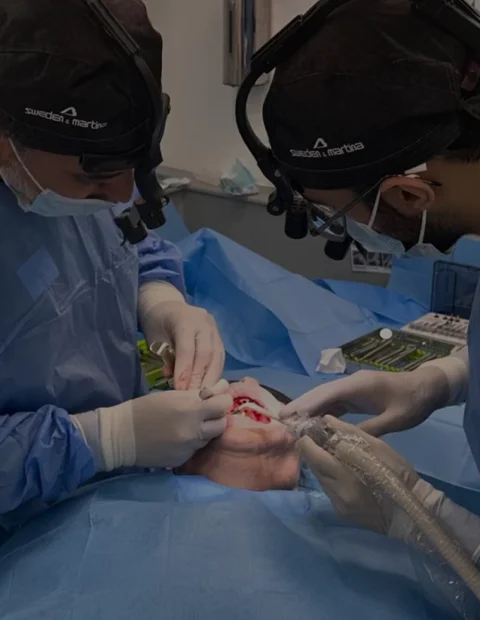
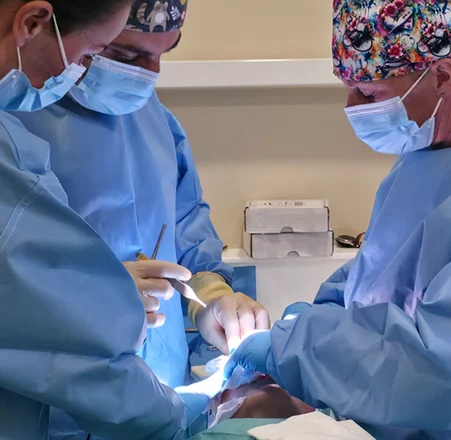
For complex joint problems, open surgery provides lasting results through disc repair, repositioning, or joint replacement. It restores comfortable movement, eases persistent pain, and is chosen when other treatments no longer bring effective relief.

Take control of your jaw health.

End the cycle of constant discomfort and reclaim the relief and strength you’ve been missing.

Book my appointment

Before you book

Why choose TMJ surgery?

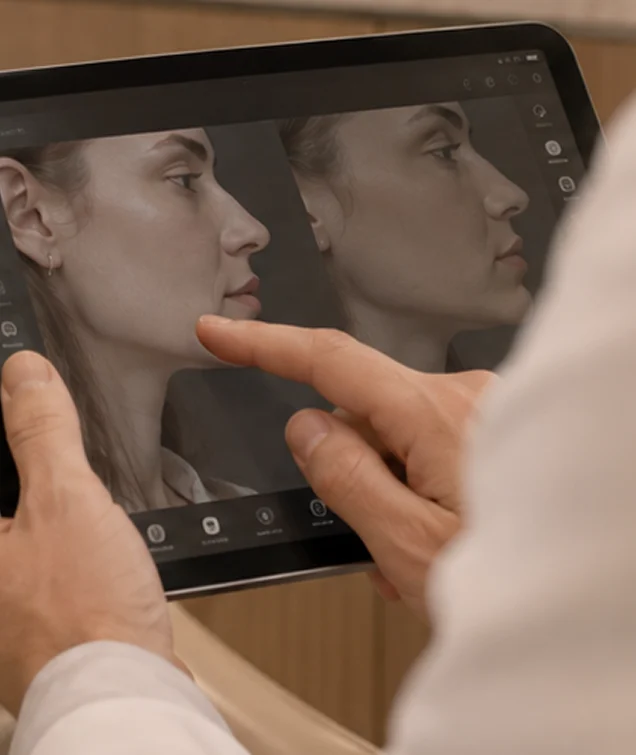
TMJ surgery may be recommended when persistent jaw pain, stiffness, clicking, locking, or restricted movement does not improve with non-surgical treatments. By addressing problems within the joint, surgery can help improve jaw function, relieve symptoms, and make everyday activities such as eating and speaking more comfortable.

Consultation locations

Close to home, across Yorkshire & the North-West.

Consultations and treatments are offered across our network of private clinics and accredited hospitals; choose whichever suits you.

Send a message

Tell us how we can help.

Share a few details, and we will reply as soon as we can. For anything urgent, please call us directly.

Call us

+44 737 8528194

Opening hours

Mon–Fri: 09:00–18:00
Sat: 10:00–14:00
Sun: Closed

Contact preference

Expert care for complex jaw problems.

Start with a one-on-one consultation, a clear treatment plan, and a full cost breakdown.

Book my appointment

Quick answers

Frequently asked questions.

Is TMJ surgery a major surgery?

TMJ surgery can range from a simple joint wash (arthrocentesis) to more complex open surgery. Whether it is major depends on the type of procedure your condition requires.

How long does it take to recover from TMJ surgery?

Recovery time depends on the procedure. Minor surgeries may take a few days to weeks, while open surgery can take several months for full healing.

Can TMJ cause tooth pain?

Yes, TMJ disorders can cause pain that feels like a toothache. The jaw joint and surrounding muscles can send pain signals to the teeth and gums.

How do you relieve TMJ eye pressure?

Eye pressure linked to TMJ often improves with relaxation, gentle jaw exercises, and treatment for the joint. It's important to rule out eye disease as a cause first.

Is TMJ surgery painful?

Most patients are given anaesthesia, so they don’t feel pain during surgery. Afterwards, discomfort is managed with medication and usually eases as healing continues.

How do you know if you need TMJ surgery?

If you have ongoing jaw pain, stiffness, or limited movement that does not improve with other treatments, your doctor may recommend TMJ surgery as the next step.