Salivary Gland Surgery

Salivary gland problems, such as stones, swelling, or tumours, can cause pain and severe infections. Surgery helps relieve symptoms and protect your oral health over time.

  • GMC & GDC Registered surgeons
  • 1000+ Procedures performed
  • 21+ Years of experience
  • 5.0 Top Doctors rating

Your options

Our Salivary Gland treatments.

We combine our expertise and modern techniques to provide safe and effective treatment for salivary gland issues.

Submandibular Gland Excision

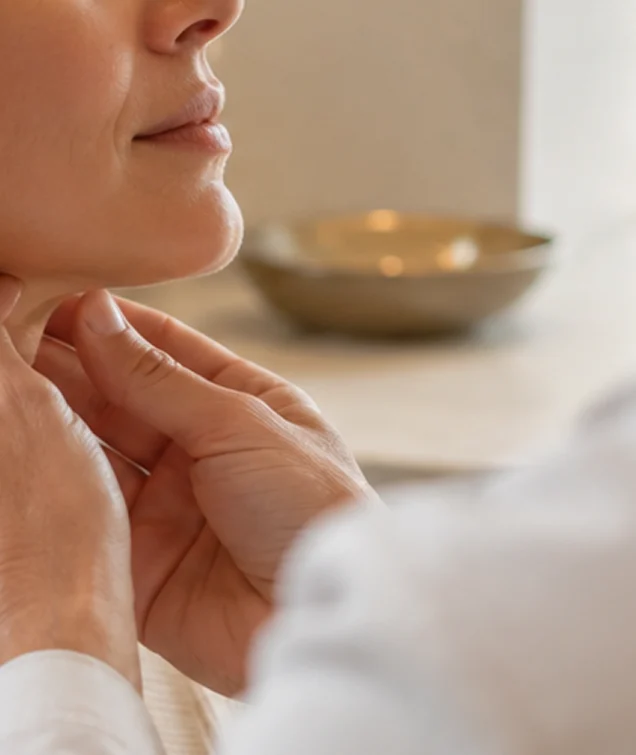
Problems in the submandibular gland, located under the jaw, can cause persistent pain or infection. When removal is required, we perform the procedure carefully to relieve symptoms, prevent complications, and restore comfort, while protecting nearby nerves and tissues.

Parotidectomy (Superficial or Total)

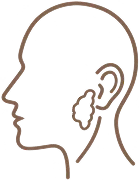
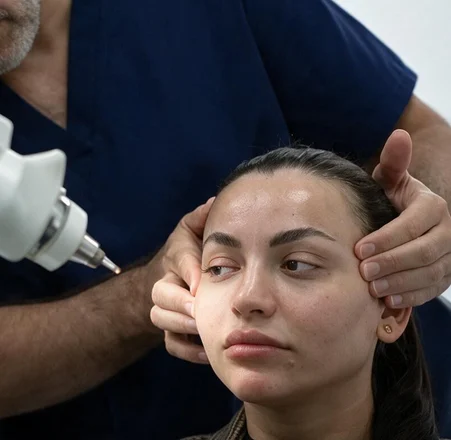
The parotid gland develops in front of and below the ear, causing lumps or long-term swelling. Surgery to remove part or all of the gland is performed with detailed planning and precision to protect facial nerves, remove disease, and support both health and appearance.

Sublingual Gland Excision

The sublingual gland, located beneath the tongue, can sometimes form cysts or persistent swellings. Surgery involves removing part or all of the gland while carefully protecting nearby nerves, restoring comfort, and addressing the underlying concern effectively.

Removal of Salivary Stones

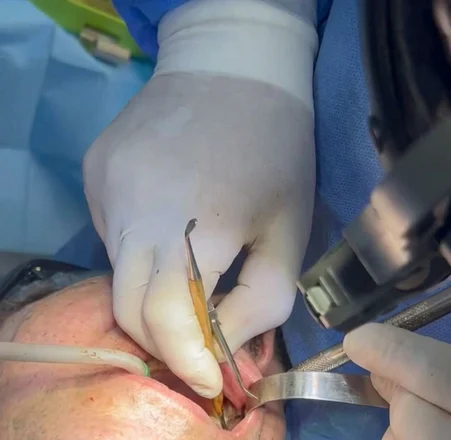
Salivary stones can block the flow of saliva, causing pain and swelling. We remove these stones using minimally invasive or surgical techniques as needed. This surgery helps restore natural saliva flow, alleviates discomfort, and prevents recurring infections or long-term damage to the affected gland.

Concerned about your symptoms?

Don’t wait in uncertainty. We’re here to listen, advise, and support your treatment journey.

Book my appointment

Before you book

Why choose Salivary Gland surgery?

Salivary gland surgery can relieve persistent pain, swelling, blockages, and recurring infections caused by stones, tumours, or other gland problems. Treatment is carefully planned to address the underlying condition while protecting nearby nerves and tissues to restore comfort and normal function.

Consultation locations

Close to home, across Yorkshire & the North-West.

Consultations and treatments are offered across our network of private clinics and accredited hospitals; choose whichever suits you.

Send a message

Tell us how we can help.

Share a few details, and we will reply as soon as we can. For anything urgent, please call us directly.

Call us

+44 737 8528194

Opening hours

Mon–Fri: 09:00–18:00
Sat: 10:00–14:00
Sun: Closed

Contact preference

Take the first step toward relief.

Start with a one-on-one consultation, a clear treatment plan, and a full cost breakdown.

Book my appointment

Quick answers

Frequently asked questions.

Is salivary gland surgery painful?

No, the procedure is done under anaesthesia. Mild soreness may follow, but pain relief is provided.

How serious is parotid gland surgery?

Salivary gland surgery is a major operation because it involves removing part of the parotid gland. After surgery, patients may experience temporary numbness or facial weakness, which usually improves within a few months to a year.

Will the surgery affect my facial movement?

Most patients do not experience permanent problems with facial movement. The surgery is performed close to the facial nerves, but every precaution is taken to protect them.

Are there alternatives to surgery?

Yes, small stones or blockages may be treated with less invasive methods. Surgery is considered when other options aren’t suitable.

Will I need to stay in the hospital?

Many patients go home the same day, but more complex surgeries may require staying overnight or a few days for observation and care.

How much does salivary gland surgery cost?

There isn’t a fixed price, as the cost depends on the exact surgery you need. After your consultation, you’ll be given a clear, personalised estimate so you know exactly what to expect.

How long will the recovery take?

Most patients begin to feel better within 1–2 weeks, but the full recovery time depends on the type of procedure.

What is the success rate of salivary gland surgery?

Salivary gland surgery generally has a high success rate. Outcomes can vary depending on the procedure and each patient’s overall health.

What are the first symptoms of salivary gland tumours?

The most common sign is a slow-growing lump; pain is less common and can happen at a later stage. Other symptoms may include facial weakness and/or numbness, skin changes, and salivary blockage.

When should I worry about my salivary glands?

If you feel persistent pain or numbness in the face should be a concern. You should also seek advice if you notice swelling in the mouth, neck, or under the tongue, or a lump near the ear, cheek, jaw, or lip.